
What a Maritime Accident Attorney Can Do for You
When two vessels collide on the water, the damage is not just physical. Lives get turned upside down. Crew members get hurt. Families are left wondering what comes next. And almost right away, the question of fault becomes a major problem.
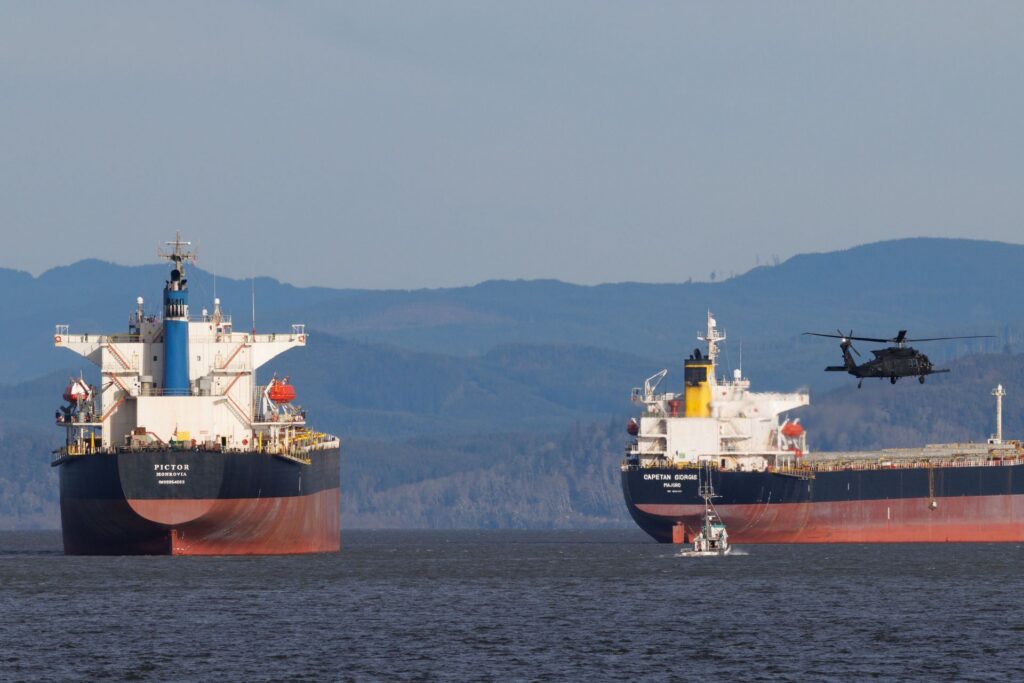
In July 2024, an international shipping vessel and a tugboat collided in the Houston Ship Channel. Investigation found that both vessels made mistakes before the crash. One deckhand lost his life and changed the lives of multiple others. The incident sparked calls for better navigation training across the industry and in the Houston Ship Channel. But it also raised a question that comes up after nearly every vessel collision: when both sides point fingers, who is actually responsible?
That is exactly the kind of situation where having a skilled maritime accident attorney in your corner matters most. At Doyle Dennis Avery LLP, we have spent years helping injured mariners, offshore workers, and their families find answers and fight for fair compensation. This article walks you through what happens after a disputed vessel collision and how a maritime accident attorney can protect your rights.
Why Vessel Collisions Are Legally Complicated
Most people think of a boat accident the same way they think of a car accident. Two vehicles hit each other. Someone was at fault. You file a claim. It should be simple.
But maritime law is a completely different legal world. It operates under federal admiralty law, not the same state personal injury rules that apply on land. The courts, the procedures, and the legal standards are all different. If you try to handle a maritime case like a regular personal injury case, you are already at a disadvantage.
One important legal concept in vessel collision cases is called the Pennsylvania Rule. Under this rule, if a vessel violated a safety law at the time of the accident, that vessel must prove its violation did not cause the crash. This shifts the legal burden in a meaningful way and can change the entire outcome of a case.
There is also the issue of shared fault. Maritime law allows for what is called comparative fault, which means more than one party can share the blame for an accident. Just because the other vessel contributed to the collision does not automatically mean you cannot recover compensation. A good maritime accident lawyer knows how to use these rules to your benefit.
On top of that, there are often multiple parties involved in a single collision. The vessel owner, the operator, the employer, equipment manufacturers, and even port authorities can all share some level of responsibility. Identifying all of them is a key part of building a strong case.
You can learn more about how the federal court system handles these cases through the U.S. Courts overview of admiralty and maritime law.
What a Maritime Accident Attorney Does After a Disputed Collision
A maritime accident attorney does much more than file paperwork. In a disputed collision case, your attorney becomes an investigator, a strategist, and an advocate all at once.
Here is what that work looks like in practice.
Independent Investigation
Your attorney will not wait for the Coast Guard or the National Transportation Safety Board to finish their investigation. They will begin gathering evidence immediately. This includes pulling Automatic Identification System (AIS) tracking data, reviewing vessel logs, and collecting any available Voyage Data Recorder (VDR) information. Every second of the vessel’s movement before the collision can become important evidence.
Expert Witnesses
Maritime cases often require the testimony of nautical engineers, navigation experts, and marine safety specialists. A seasoned maritime accident attorney has relationships with these experts and knows how to use their findings to support your claim.
Identifying All Liable Parties
In many vessel collisions, the most obvious party is not the only party at fault. Your attorney will look beyond the other vessel to identify every person and company that may share responsibility. This can include vessel owners, charter companies, equipment manufacturers, and even third-party contractors.
Filing Under the Right Legal Framework
Maritime injury claims can be filed under several different laws depending on your situation. These include the Jones Act for seamen, the Longshore and Harbor Workers’ Compensation Act for dock workers, and general maritime law for others. Filing under the wrong law can hurt your case. Your attorney will make sure you are using the right legal path from the start.
For a helpful overview of these laws, visit the Jones Act information page from the U.S. Department of Transportation.
The Role of an Admiralty Lawyer in a Collision Case
An admiralty lawyer specializes in the area of law that governs activity on navigable waters. This is not a generalist lawyer, who occasionally handles boat cases. It is a legal professional trained specifically in federal maritime law, international navigation rules, and the conventions that govern how vessels are supposed to behave at sea.
International vessel collision cases often involve something called COLREGS, which stands for the International Regulations for Preventing Collisions at Sea. These are the rules of the road for the ocean. They cover everything from right of way to speed limits in poor visibility. When a vessel breaks these rules and an accident follows, an admiralty lawyer knows exactly how to use that violation as evidence of fault.
The International Maritime Organization publishes the full COLREGS, which form the foundation of collision liability analysis in maritime cases.
At Doyle Dennis Avery LLP, our team includes attorneys with deep experience in admiralty law. We understand the procedural rules of federal maritime courts and how to navigate the unique challenges that come with these cases.
How Fault Gets Sorted Out After a Collision
After a vessel collision, several agencies may launch investigations. The U.S. Coast Guard often takes the lead, especially in American waters. The National Transportation Safety Board may also get involved. These agencies look at the facts, review records, and issue findings.
But here is something important to understand. Those government findings are not the final word on your legal case. A maritime personal injury lawyer can use those findings to support your claim, but they can also challenge them if the investigation missed something or got something wrong. Government investigations often look for safety lessons, not legal liability. Your attorney is looking out for you.
In the Houston Ship Channel collision, investigators found that both vessels made errors. But shared fault in a maritime case does not mean you walk away empty-handed. Under maritime comparative fault rules, even if you or your vessel shared some blame, you may still be entitled to compensation proportional to the other party’s share of fault.
The NTSB Marine Accident Reports are public documents that a skilled maritime accident attorney can analyze when building your case.
Looking for a Maritime Accident Attorney Near Me
When something goes wrong on the water, one of the first things people search for is a maritime accident attorney near me. That instinct makes sense. You want someone local who understands the waters, the ports, and the industry you work in.
Because maritime law is federal law, a qualified attorney can represent clients in federal admiralty courts across the country, no matter where the attorney is based. Geography does not limit your options the way it might in a state court case.
That said, local knowledge still carries real value. Doyle Dennis Avery LLP is deeply rooted in the Gulf Coast, including handling cases in Texas, Louisiana, Mississippi, Alabama, and Florida. We understand the offshore industry, the commercial maritime community, and the port operations that drive the economy in this region. That combination of national legal reach and local maritime knowledge is something our clients count on.
Offshore Workers and Vessel Collisions
Not every vessel collision involves a traditional cargo ship or tugboat. Many injured workers are on supply vessels, crew boats, or platforms when an accident occurs. If you work offshore and were involved in a collision, you may have different legal options depending on your job classification and the type of vessel you were on.
An experienced offshore accident attorney understands these distinctions. Offshore workers face the same collision risks as any other mariner, but the laws that protect them can be different. At Doyle Dennis Avery LLP, we handle both traditional maritime collision cases and offshore injury claims. We know how to identify the right legal path for your situation.
The Bureau of Safety and Environmental Enforcement (BSEE) tracks offshore incident statistics and provides data that can be valuable in building an offshore injury claim.
Frequently Asked Questions
What does a maritime accident attorney do?
A maritime accident attorney handles legal claims that arise from accidents on navigable waters. This includes vessel collisions, offshore injuries, and accidents involving crew members on ships, barges, rigs, and fishing boats. They investigate the accident, identify who is at fault, file claims under the correct maritime laws, and fight for compensation on your behalf.
How is a maritime accident attorney different from a personal injury lawyer?
A standard personal injury lawyer handles cases under state law. Maritime cases are governed by federal admiralty law, which has its own courts, its own rules, and its own legal doctrines. A maritime accident attorney knows the Jones Act, maintenance and cure rights, the Longshore and Harbor Workers’ Compensation Act, and other maritime-specific legal tools that a general personal injury lawyer may not be familiar with. Using the wrong type of attorney in a maritime case can cost you your claim.
How much does a maritime accident attorney cost?
At Doyle Dennis Avery LLP, we handle maritime injury cases on a contingency fee basis. That means you pay nothing upfront. We only get paid if we recover compensation for you. There is no financial risk in reaching out for a free consultation.
What is the first step after a maritime accident?
The first step is to get medical attention, even if you feel fine. Some injuries from a collision are not immediately obvious. After that, report the incident to your supervisor or vessel captain. Preserve any evidence you can, including photos, notes, and the names of witnesses. Then contact a maritime accident lawyer before speaking to any insurance company or employer representative. What you say in those early conversations can affect your case.
Can I hire a maritime attorney from another state?
Yes. Because maritime law operates in federal courts, an attorney from Texas can represent a client from Louisiana, Florida, or any other state. Doyle Dennis Avery LLP regularly works with clients from across the Gulf Coast and beyond. If you were injured at sea and need help, do not let state lines stop you from reaching out.
Ready to Talk to a Maritime Accident Attorney
When fault is disputed after a vessel collision, the legal process can feel overwhelming. Insurance companies move fast. Employers protect their own interests. And without the right legal support, injured mariners can end up with far less than they deserve.
At Doyle Dennis Avery LLP, we believe every maritime worker deserves a strong advocate. We know the laws. We know the courts. And we know how to build the kind of case that gets results.
If you or a loved one was hurt in a vessel collision or any kind of offshore accident, do not wait. Contact Doyle Dennis Avery LLP today for a free, no-obligation consultation with an experienced maritime accident attorney. We serve clients across the Gulf Coast and nationwide. We do not get paid unless you do.
Call us today or visit our website to schedule your free consultation.
Doyle Dennis Avery LLP | Maritime Accident Attorneys | Serving the Gulf Coast and Nationwide